
EU Repair Directive 2024/1799
Repair becomes mandatory —
we deliver the service behind it
From 31 July 2026, manufacturers, retailers and importers must make repairs easier, more transparent and more accessible. PST handles repair processes, spare-parts management and traceable documentation — across many electronics and household-appliance product groups.
What changes?
EU right to repair from 2026
EU Directive 2024/1799 strengthens consumers right to repair. For certain products, manufacturers must enable repairs even outside the statutory warranty — at reasonable prices, with access to spare parts, tools and repair information.
Within the warranty period, repair becomes more attractive: choosing repair instead of replacement extends the cover once by twelve months. Repairability shifts from an optional bonus to professional product responsibility.
Read the press release on the directive →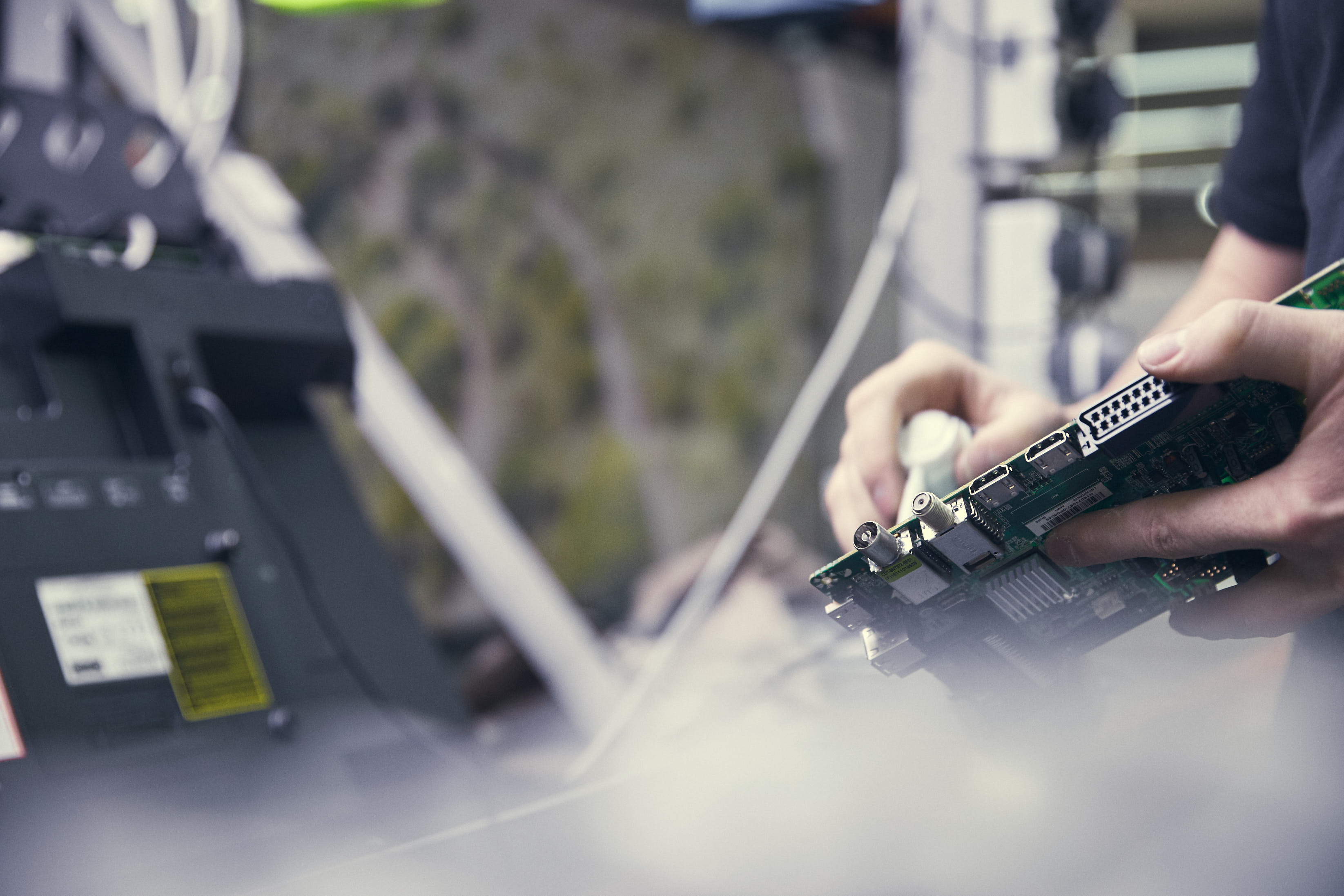
Who is affected?
Affected product groups
This is not only about smartphones — it covers household appliances, electronics, displays, batteries and professional equipment.
Washing machines & dryers
Dishwashers
Fridges & freezers
Vacuum cleaners
Smartphones & tablets
Displays, monitors & TVs
Servers & data storage
Welding equipment
Batteries for light e-mobility
Our role
Putting repair obligations into practice
Many manufacturers and retailers do not want to run repairs at scale themselves. We take over the processes behind it — compliant, economical and customer-friendly.
Intake & diagnosis
Structured intake, fault analysis and cost estimate — a single point of contact for your customers.
Technical inspection
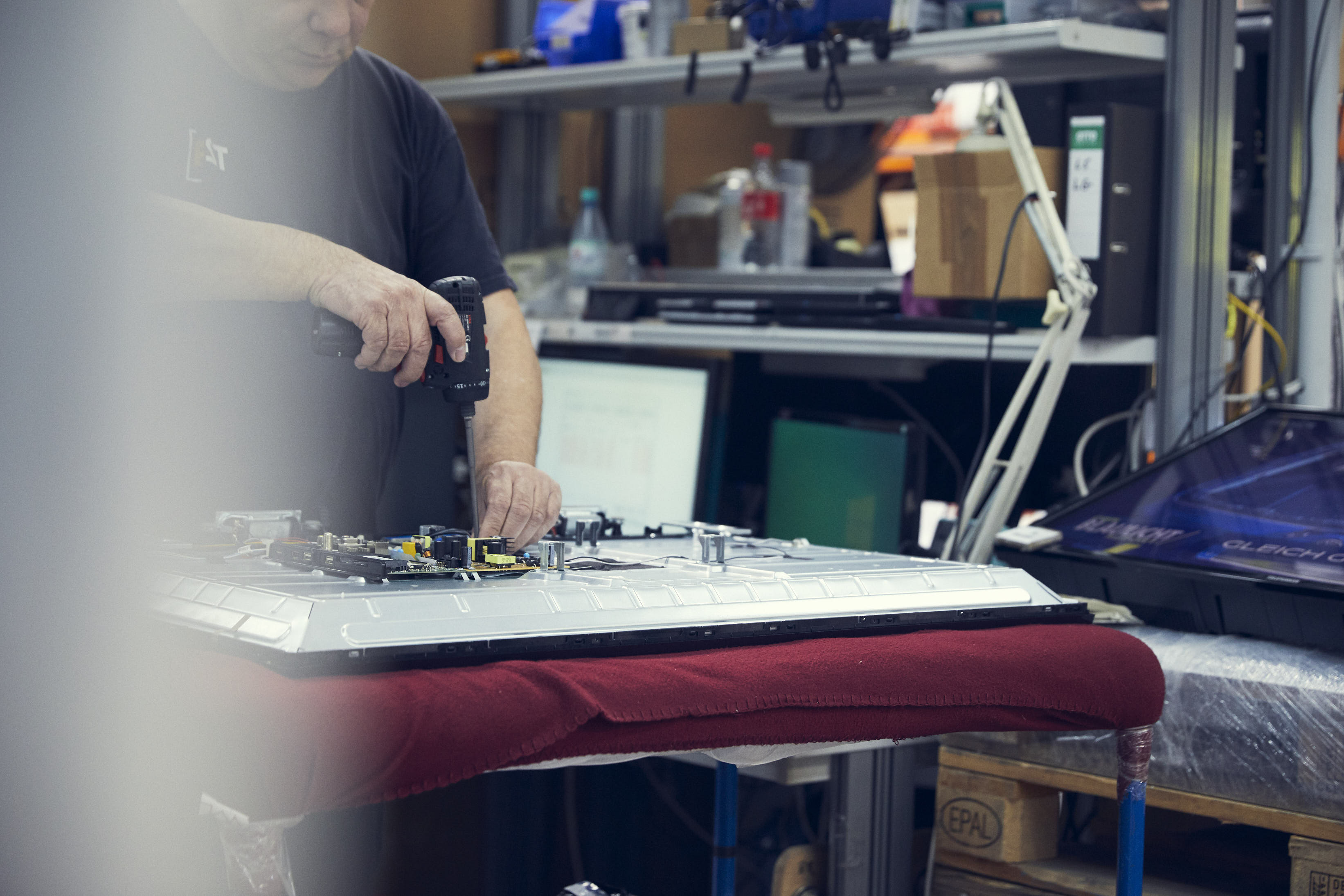
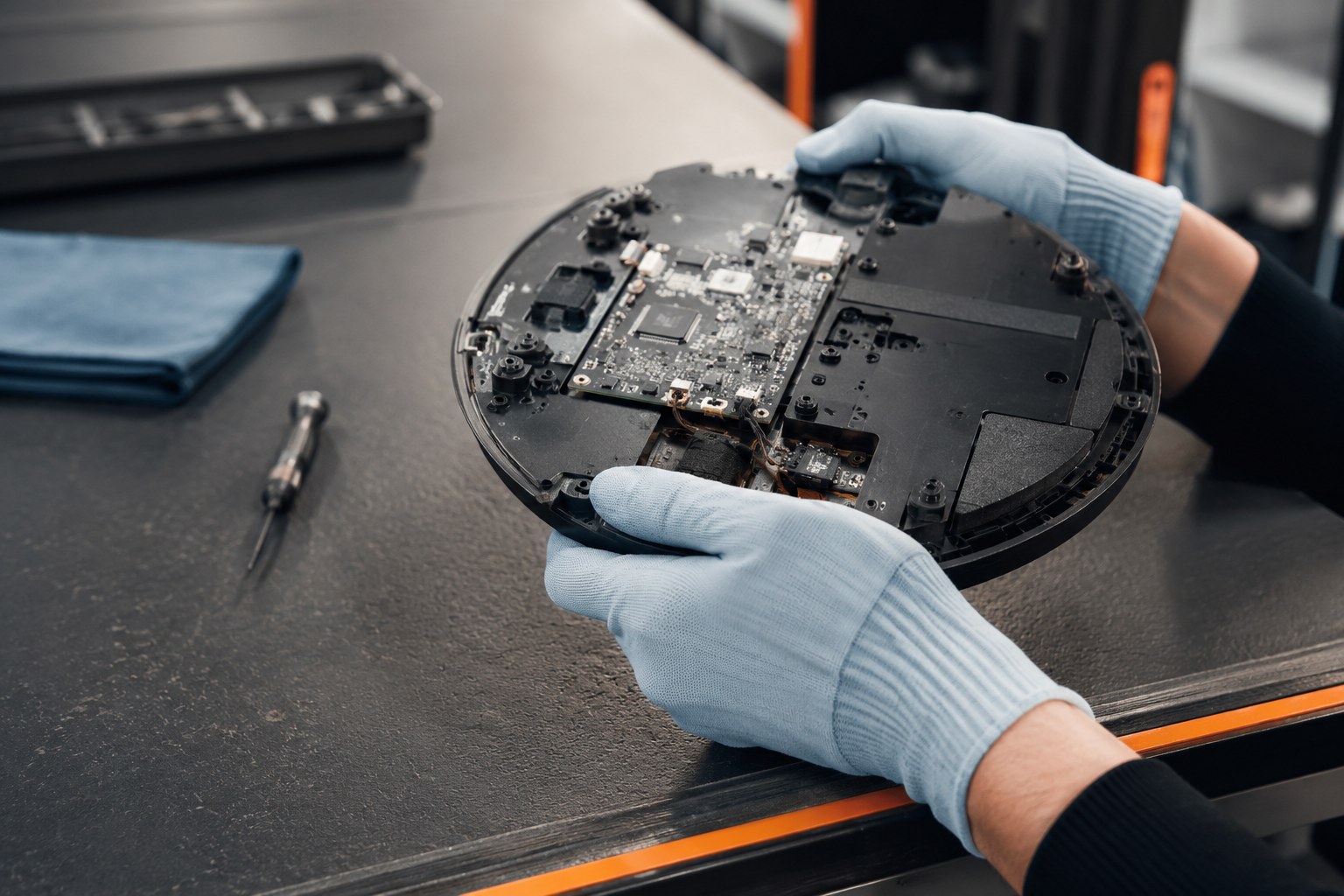
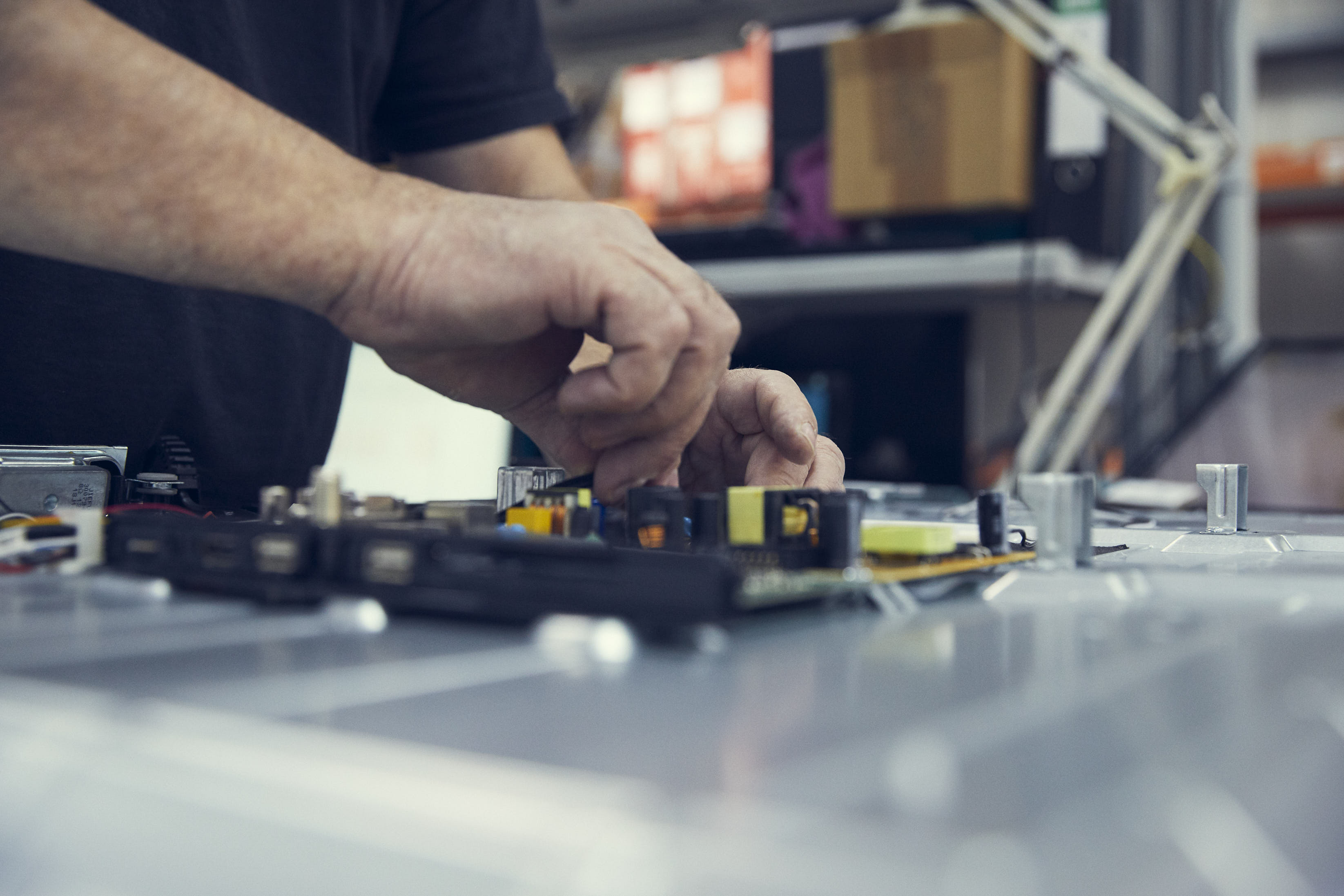
Sound assessment by experienced technicians, including function and safety testing.
Spare-parts management
Sourcing, stocking and Europe-wide availability of the required spare parts.
Repair execution
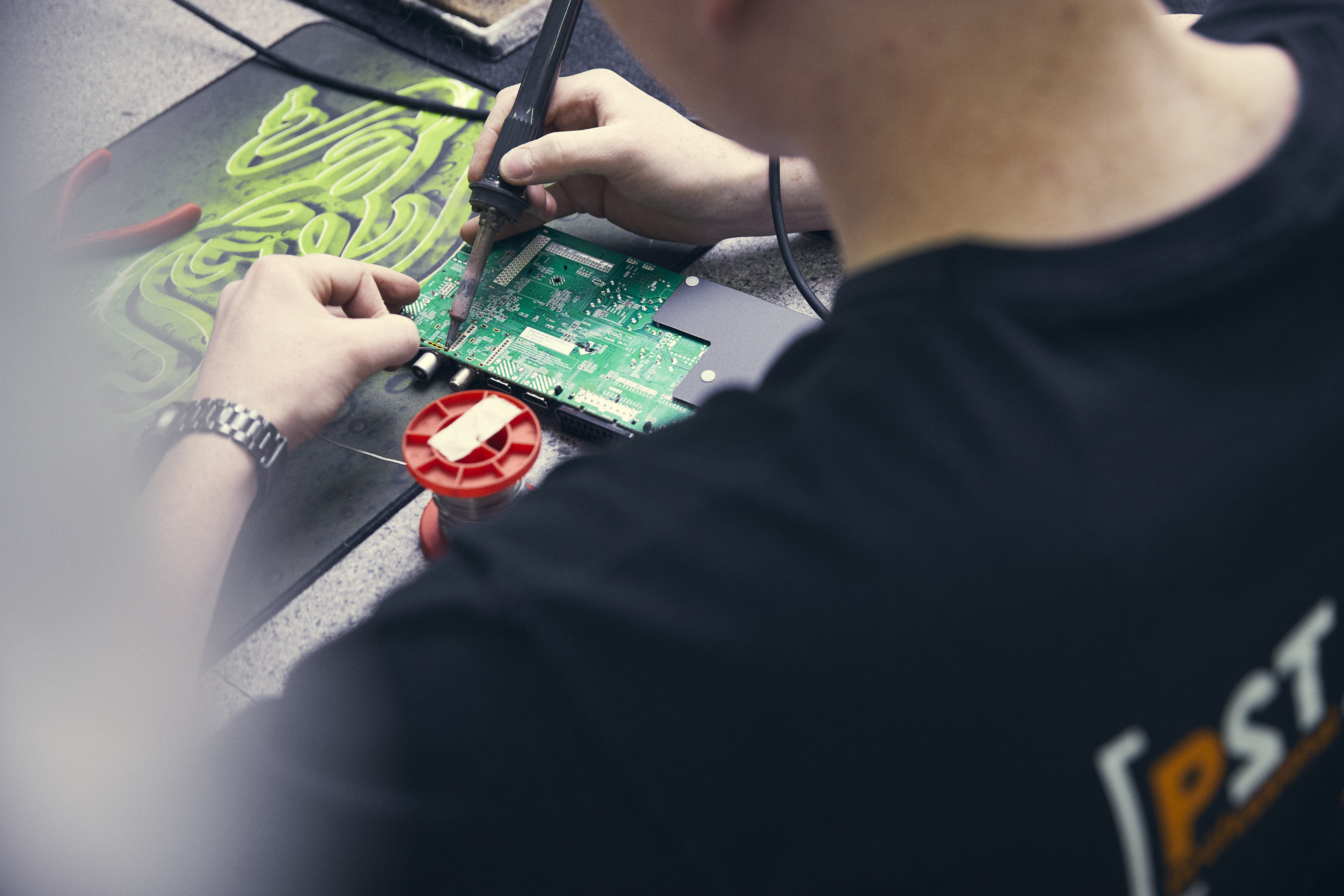
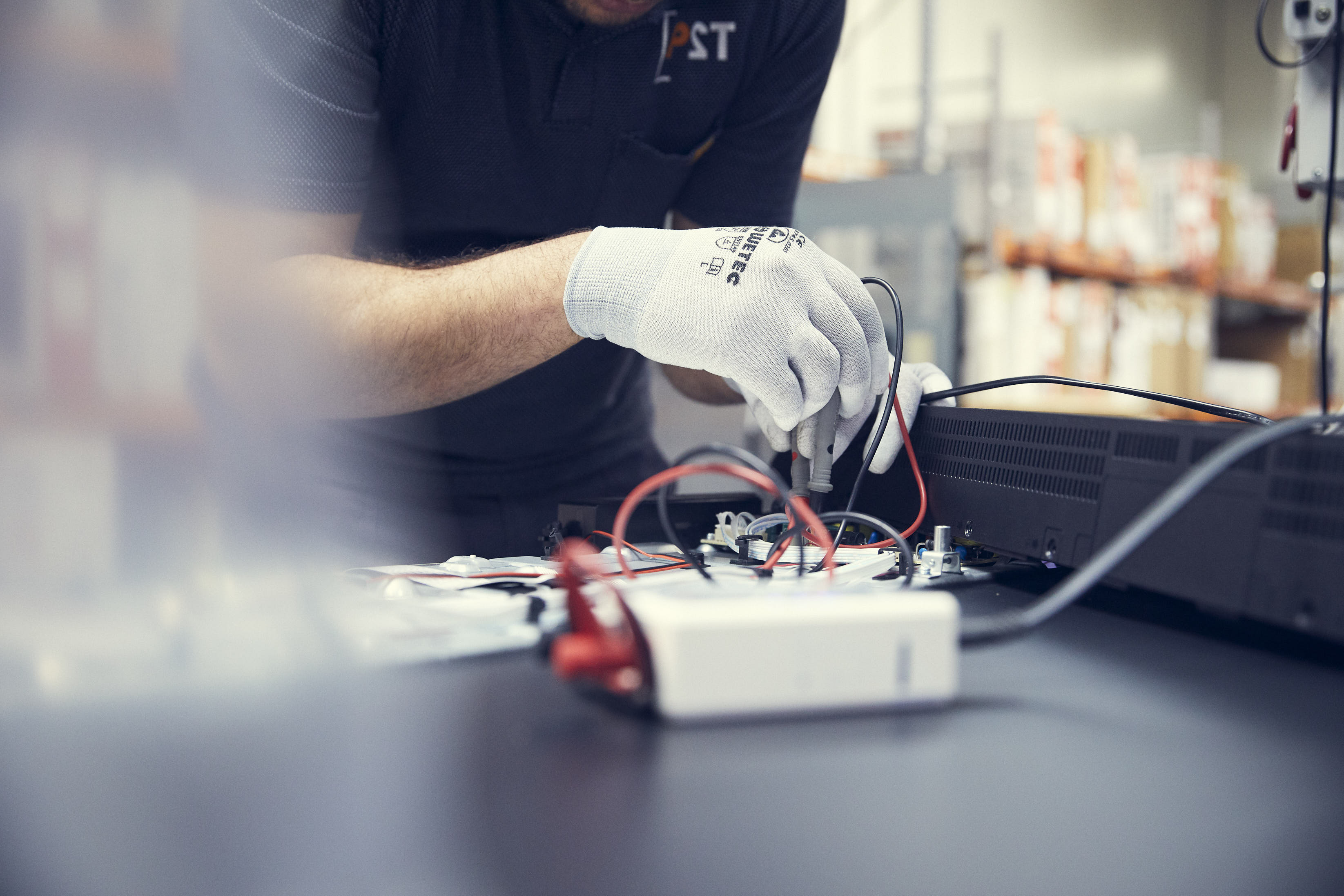
Professional repair from display to circuit board — from smartphone to household appliance.
Quality control
Final inspection and function assurance, so every device goes back tested.
Documentation & status
Traceable repair data and transparent status communication — aligned with the new EU information requirements.
Shipping & returns
Collection, shipping and returns logistics from a single source, embedded in your processes.
Warranty & goodwill
Clean handling of statutory warranty, guarantee and goodwill — relieving your support.
Refurbishment & resale
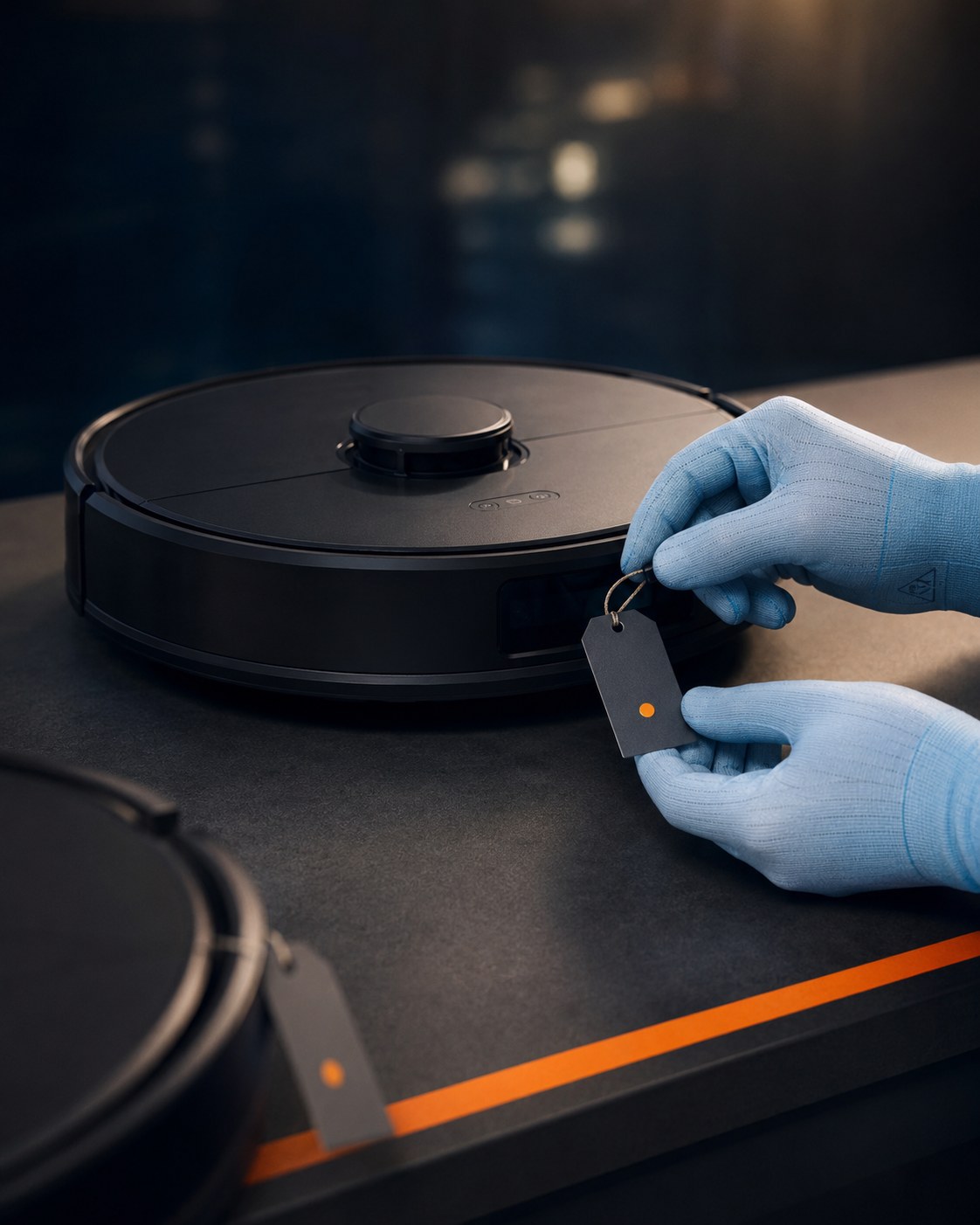
Refurbishment instead of scrapping and preparation for resale.
Why act now?
Preparation pays off twice
FAQ
Right to Repair — explained briefly
What does Right to Repair mean?
Right to Repair refers to the right to have products repaired. The EU wants products to be used longer and faulty devices to be repaired rather than replaced.
When does the EU right to repair apply?
Directive (EU) 2024/1799 has been in force since 2024. EU member states must transpose it into national law by 31 July 2026 at the latest.
Which products are affected?
Initially product groups already covered by repairability requirements — including household appliances, smartphones, tablets, displays, vacuum cleaners, dryers and certain batteries. The list is gradually extended via the Ecodesign Regulation.
Must manufacturers repair every product?
The repair obligation applies to certain product groups and only where repair is possible. It must be carried out on reasonable terms — time, price, spare parts.
What changes for the warranty?
If consumers choose repair instead of replacement within the statutory warranty, the cover is extended once by twelve months.
Why does this matter for retailers?
Retailers will have to inform customers more clearly about repair options. At the same time, professional repair processes reduce unnecessary replacements and returns costs.
Why does this matter for importers?
If the manufacturer is based outside the EU, certain obligations can pass to EU importers or distributors. Importers therefore need reliable service and repair structures in Europe.
What does repair do for the environment?
Repair extends product life, reduces e-waste and saves the resources needed to manufacture, transport and dispose of new devices.
Get ready now
Are your repair processes ready for 2026?
We review your repair, spare-parts and documentation processes and build a service-partner setup with you for the German and European market.
Have your repair process reviewedFaulty device? Consider repair instead of buying new — Submit a repair request
The information on this page is for general orientation and does not constitute legal advice. Companies should have their specific obligations assessed legally on a case-by-case basis. National transposition may still change details until 2026/2027.